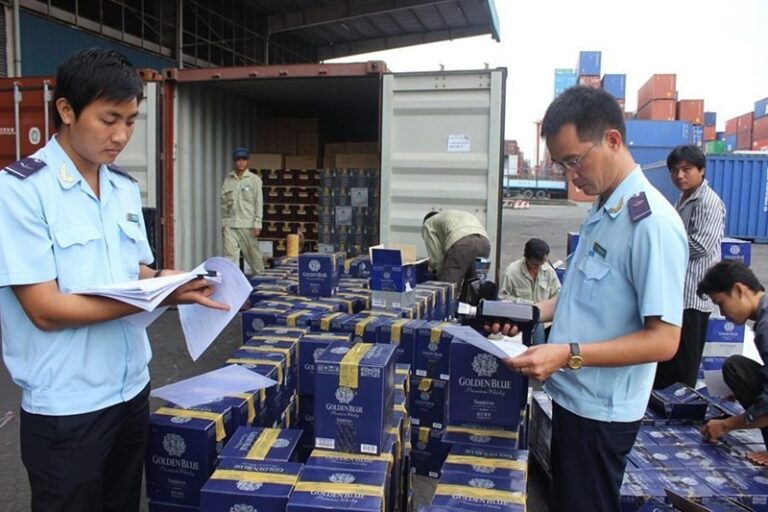
If you currently have cargo departing from Vietnamese ports, or if you are planning to transition your manufacturing lines to Southeast Asia, you need to pay close attention to this high-priority “red alert.”
On June 16, 2026, the General Department of Vietnam Customs officially issued Directive No. 17552/CHQ-GSQL. This heavy-handed policy mandates rigorous inspection, strict origin verification, and aggressive labeling enforcement on imported and exported goods. Its clear target? Illegal transshipment and origin fraud (commonly known as “country-of-origin laundering”).
How will this aggressive enforcement hit global buyers, and what steps should supply chain managers take immediately to stay ahead of the curve? Let’s break it down.
The 3 Hardest-Hitting Measures: What Is Customs Targeting?
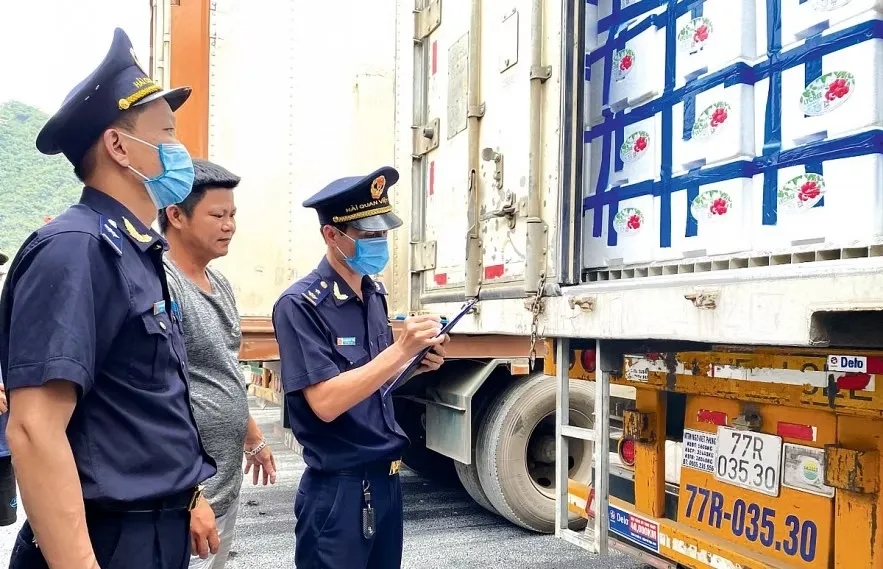
Directive 17552 is not just a warning on paper; customs authorities have already scaled up physical inspections for high-risk product categories. Here are the primary enforcement triggers:
1. Zero Tolerance for “Pre-Labeled” Imports
This is the absolute core of the crackdown. Customs has adopted a strict zero-tolerance policy for any semi-finished goods or raw materials imported into Vietnam that already bear “Made in Vietnam” or “Produced in Vietnam” labels prior to local manufacturing or processing.
The Consequences: Such shipments will be immediately flagged as smuggling or commercial fraud. The goods will be seized, and the involved entities will face potential criminal prosecution.
2. Drastic Scale-Up of Certificate of Origin (C/O) Audits
To penalize bad actors attempting to bypass anti-dumping duties via simple assembly or transshipment (“water-passing”), authorities are now aggressively tracing raw material inputs. Customs will strictly recalculate the exact Local Value Content (LVC). If the depth of local processing is found to be insufficient, the C/O will be rejected, and shippers will face severe financial penalties.
3. The Crosshairs Are on the Furniture & Wood Supply Chain
Because the furniture sector is categorized as a high-risk industry, it is facing the highest container inspection rates in recent history. Trading operations and “screwdriver assembly plants” that rely heavily on foreign components without real, deep manufacturing infrastructure on Vietnamese soil will suffer massive customs delays and crippling supply chain disruptions.
Actionable Strategy: How to Protect Your Supply Chain in Vietnam
Faced with this regulatory earthquake, global importers cannot afford to take a wait-and-see approach. We recommend taking these three proactive steps to insulate your operations:
Audit Your Vendors Thoroughly: Conduct immediate on-site factory audits. Verify that your Vietnamese suppliers have authentic manufacturing depth on the ground—such as in-house logging, slicing, and kiln-drying infrastructure—rather than just an empty warehouse for final packaging.
Verify Absolute Document Traceability: Demand bulletproof documentation from your suppliers that traces every single raw material input down to the final exported product. Bills of Materials (BOMs), import declarations, and internal processing logs are your only shield during a customs audit.
Partner with Fully Compliant, Vertically Integrated Manufacturers: Gradually shift your purchase orders to compliant local factories that control their entire production chain. While the initial onboarding process requires effort, maintaining a stable, uninterrupted flow of goods is what matters most in a strict compliance environment.
TheShaper’s Take: While Vietnam Customs’ Directive 17552 will likely increase transit times and administrative friction in the short term, it serves as a necessary market correction. It weeds out non-compliant players. Over the long haul, accelerating your compliance strategy is the only way to win in the evolving Southeast Asian sourcing landscape.
Has your cargo been impacted by the recent customs inspections? Let us know your on-the-ground experience in the comments below!
Subscribe to TheShaper Blog to stay updated on the latest global supply chain shifts and localized trade insights.